What are the benefits of using wetting agents on a bowling green?
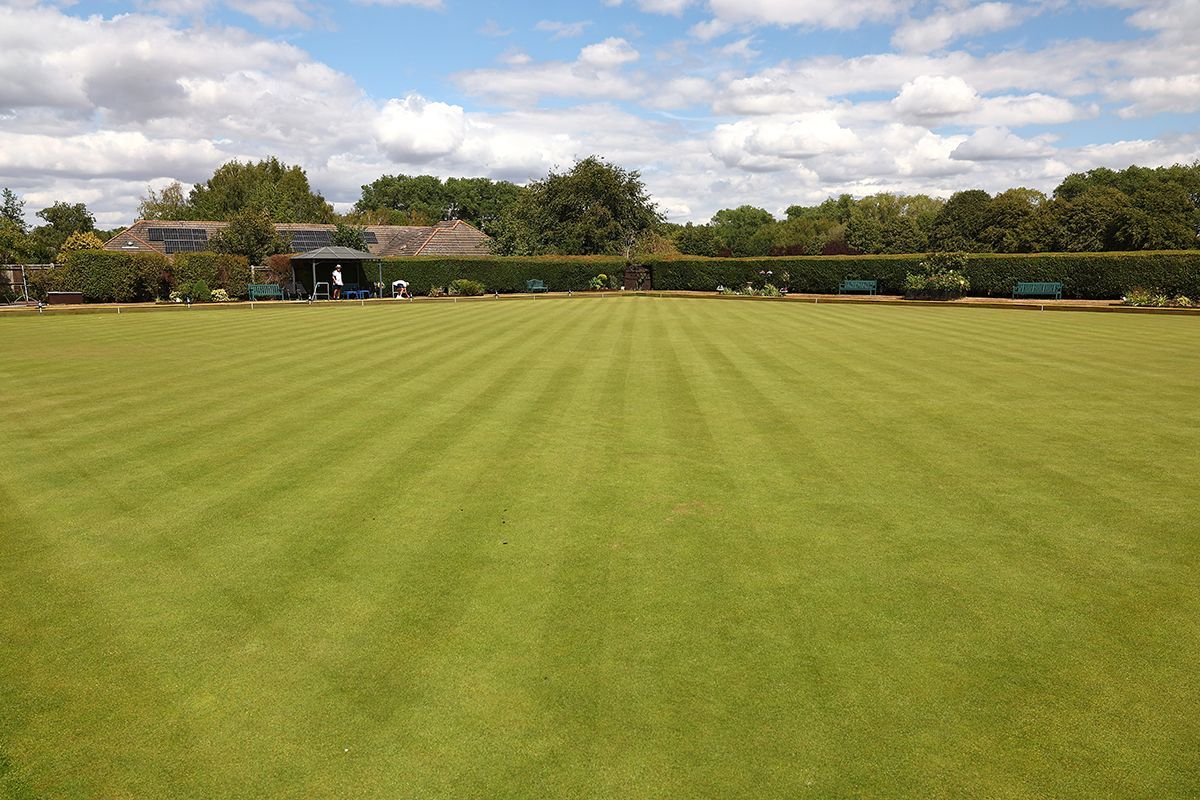
For a bowling greenkeeper, few things are more frustrating than putting water onto a green only to find that certain areas remain stubbornly dry. The sprinkler has run, rainfall has occurred, yet the surface still develops dry patches and the turf begins to show stress.
This is where wetting agents can become an important part of a practical green-management programme.
Wetting agents are not a substitute for good irrigation, aeration, drainage, nutrition or appropriate mowing. Rather, they are a management tool that can help ensure that the water already being applied is used more effectively.
Understanding the problem: water repellency
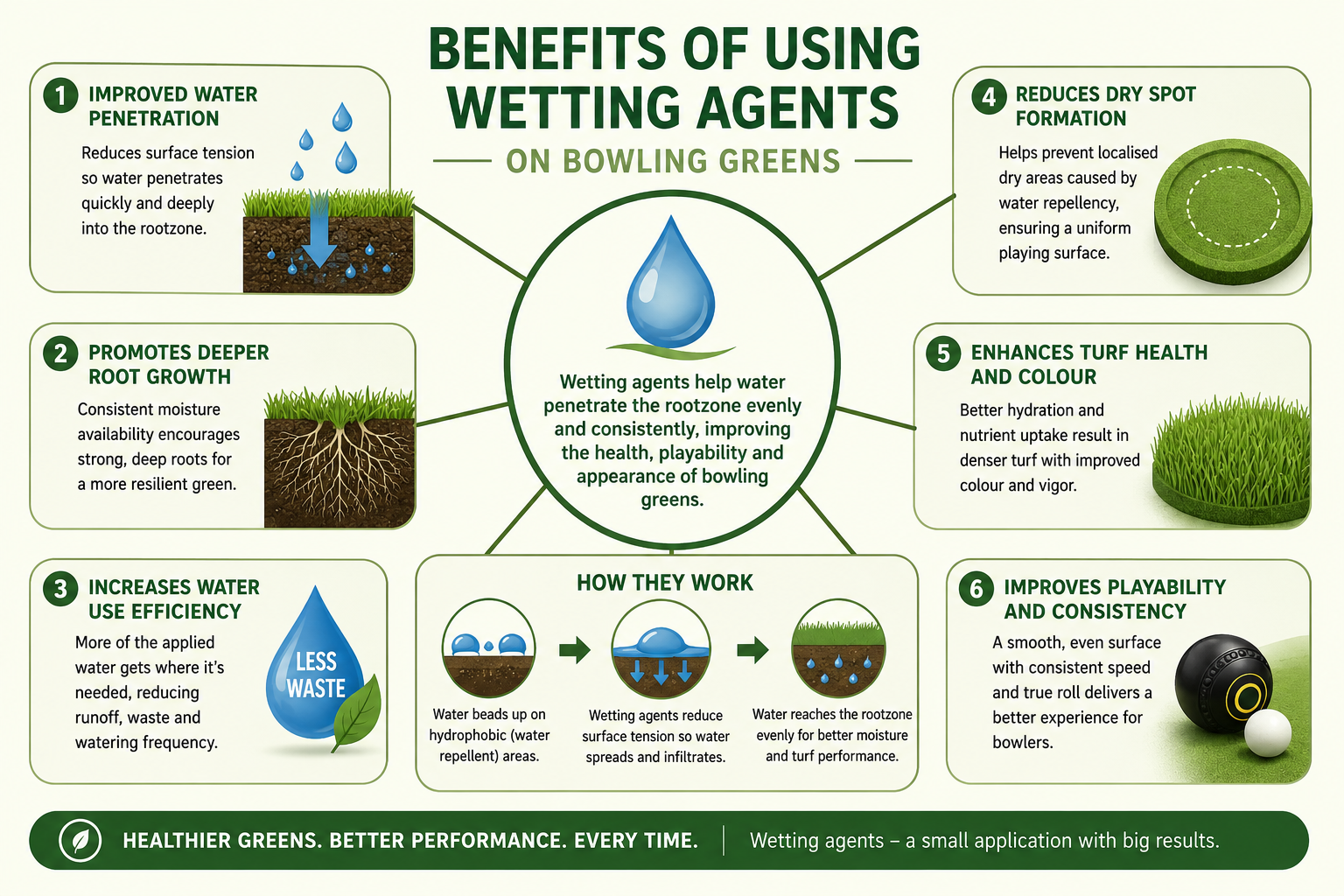
Bowling greens can contain significant quantities of organic matter, thatch and fine organic residues. Over time, these materials can contribute to water-repellent or hydrophobic conditions in parts of the rootzone.
Instead of water infiltrating evenly, it may bead on the surface, run sideways or preferentially travel through certain channels. The result can be an uneven distribution of moisture beneath an otherwise well-maintained green.
Research on turfgrass has demonstrated that water repellency can be particularly significant in sandy soils and that wetting agents can reduce the severity of this problem.
For the greenkeeper, the symptoms are familiar:
-Localised dry patches
-Turf that wilts despite irrigation
-Uneven colour and growth
-Areas that repeatedly dry out faster than the rest of the green
-Increasing irrigation requirements
-Difficulty maintaining consistent playing conditions
The important point is that more water is not necessarily the answer. If the soil is repelling water, simply increasing irrigation can be an inefficient way of addressing the underlying problem.
1. More even distribution of water
Perhaps the biggest practical benefit of a wetting agent is helping water move more consistently through the soil profile.
Wetting agents are surfactants that alter the interaction between water and soil particles. In water-repellent areas, this can help water penetrate rather than remaining concentrated at the surface or following preferential pathways.
For a bowling green, this matters because uniform moisture is closely linked to uniform turf performance.
A greenkeeper is not simply trying to keep the green "wet". The objective is to maintain consistent moisture throughout the effective rootzone, while avoiding excessive irrigation.
Research has found that wetting-agent treatments can reduce soil water repellency in turf, with both liquid and granular formulations showing benefits under suitable conditions.
2. Reduced risk of localised dry patches
Localised dry patches are one of the clearest indicators that water is not behaving uniformly in the soil.
Once an area becomes significantly hydrophobic, it can become increasingly difficult to re-wet. The turf then experiences water stress, which can lead to thinning, loss of colour and reduced recovery from wear.
A well-timed wetting-agent programme can help prevent the problem from becoming established rather than waiting until the turf is already visibly stressed.
This preventative approach is particularly valuable during periods of warm, dry weather, when irrigation demand increases and any weakness in the green's water-management system becomes much more obvious.
3. Better use of irrigation water
Water management is becoming increasingly important for bowling clubs, both financially and environmentally.
Wetting agents can help improve the efficiency with which irrigation water enters water-repellent soil. Research from the University of Georgia found that considerably more water could be required to bring water-repellent turf soils to a target moisture level when wetting agents were not used.
For a bowling greenkeeper, the practical implication is straightforward:
Don't automatically respond to dry turf by simply applying more water. First consider whether the existing water is actually infiltrating and distributing properly.
Improving infiltration can potentially allow irrigation to be managed more efficiently, although the precise benefit will depend on the soil, irrigation system, weather and condition of the green.
4. More consistent playing conditions
The objective of greenkeeping is ultimately the playing surface.
Uneven moisture can contribute to differences in turf growth, density and surface performance across the green. Areas suffering from repeated moisture stress may become thinner and less resilient, while excessively wet areas can create a different set of management problems.
By helping produce a more uniform moisture profile, wetting agents can contribute to greater consistency across the playing surface.
This is particularly important on bowling greens where relatively small variations in turf density and surface conditions can be noticeable to players.
5. Supporting turf health during stressful periods
A healthy root system needs access to water, but water must be available in the right part of the soil profile.
When water is being applied but portions of the rootzone remain excessively dry, the turf can experience unnecessary stress. During prolonged periods of high evapotranspiration, that stress can become particularly significant.
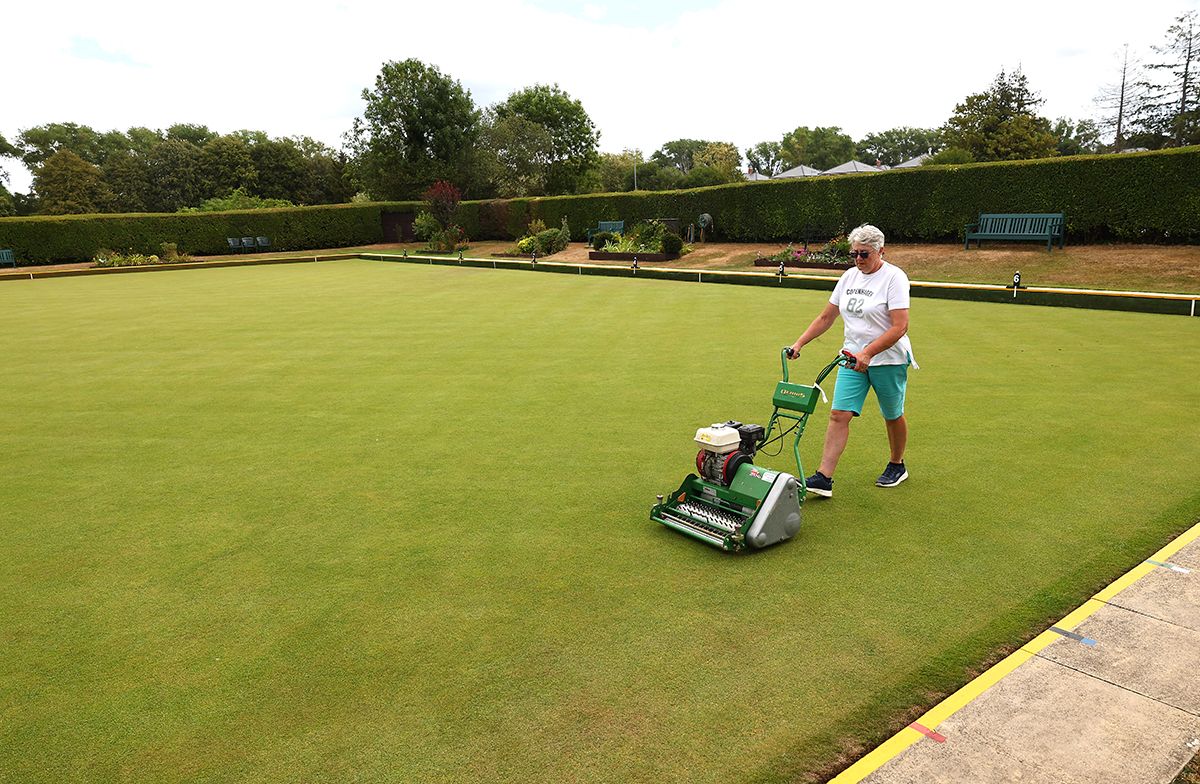
Wetting agents can therefore form part of a wider summer stress-management programme, alongside appropriate irrigation, mowing, nutrition and aeration.
They should be viewed as helping the greenkeeper manage water availability rather than as a product that directly "feeds" the grass.
6. Helping make irrigation more predictable
From a management perspective, predictability is extremely valuable.
A greenkeeper needs to know how much water is being applied and have reasonable confidence that it is reaching the intended area. Water-repellent soils can make this difficult because the same irrigation event can produce very different results in different parts of the green.
Reducing repellency can make the response to irrigation more consistent.
This is particularly useful when combined with regular moisture monitoring. A moisture meter can help identify whether apparently dry areas are genuinely dry below the surface and whether a wetting-agent programme is producing the desired response.
7. Wetting agents can complement aeration and good soil management
It is important not to regard wetting agents as a cure for every problem.
If a bowling green has serious compaction, poor drainage, excessive thatch or an underlying structural problem, applying a wetting agent alone is unlikely to solve it.
The best results come from integrating wetting agents into a broader cultural programme that includes:
-Regular aeration
-Appropriate irrigation
-Good drainage
-Thatch management
-Sensible mowing heights
-Appropriate fertilisation
-Regular moisture monitoring
-Correct timing of renovation work
-Suitable topdressing practices
-Regular moisture monitoring
In other words, wetting agents should support good greenkeeping rather than compensate for poor greenkeeping.
Choosing the right approach
Not all wetting agents behave in exactly the same way. Products differ in their chemistry, longevity, application rates and intended use.
A greenkeeper should therefore consider the actual problem before selecting a product.
Is the objective to:
-Correct existing water repellency?
-Prevent localised dry spots?
-Improve infiltration?
-Maintain more uniform moisture?
-Manage irrigation more efficiently?
The answer can influence which type of wetting-agent programme is most appropriate.
Application frequency should also follow the manufacturer's instructions rather than assuming that every product should be applied on a monthly schedule. Research has shown that product formulation, application frequency and soil organic-matter content can all influence performance.
Don't use a wetting agent as a substitute for diagnosis
One of the most important points for an experienced greenkeeper is diagnosis before application.
A brown patch does not automatically mean that the soil is hydrophobic.
Dry turf can also be caused by:
-Poor sprinkler coverage
-Compaction
-Shallow rooting
-Excessive thatch
-Rootzone problems
-Insufficient irrigation
-Uneven irrigation pressure
-Drainage issues
-Disease
-Nutritional problems
-Excessive wear
A wetting agent is most useful when the underlying issue is genuinely associated with water repellency or poor wetting.
This is why observing the green, checking irrigation performance and monitoring soil moisture should come before reaching for the product.
A practical greenkeeping strategy
For many bowling greens, the most sensible approach is preventative rather than reactive.
Rather than waiting for large areas of turf to show drought stress, monitor the green throughout the season and identify areas that consistently dry out faster than the surrounding turf.
Where water repellency is suspected, a suitable wetting agent can then be incorporated into the maintenance programme.
A practical cycle might look like this:
Monitor → Diagnose → Apply → Irrigate correctly → Measure the response → Adjust
That approach is considerably more useful than simply applying a wetting agent because "it's summer".
The bottom line
Wetting agents can be a valuable tool for bowling greenkeepers because they address one of the fundamental challenges of maintaining fine turf: getting water to behave consistently within the rootzone.
Their potential benefits include improved wetting of water-repellent soils, reduced localised dry patches, more efficient use of irrigation water and greater consistency across the playing surface. Research supports their ability to reduce soil water repellency under appropriate conditions, although results depend on soil characteristics, product formulation and management practices.
The expert approach is not to regard wetting agents as a miracle product. Instead, they should be used as one component of an integrated bowling-green management programme.
For the greenkeeper, the real benefit is simple: better control of water means better control of the turf—and ultimately a more consistent, resilient and playable bowling green.