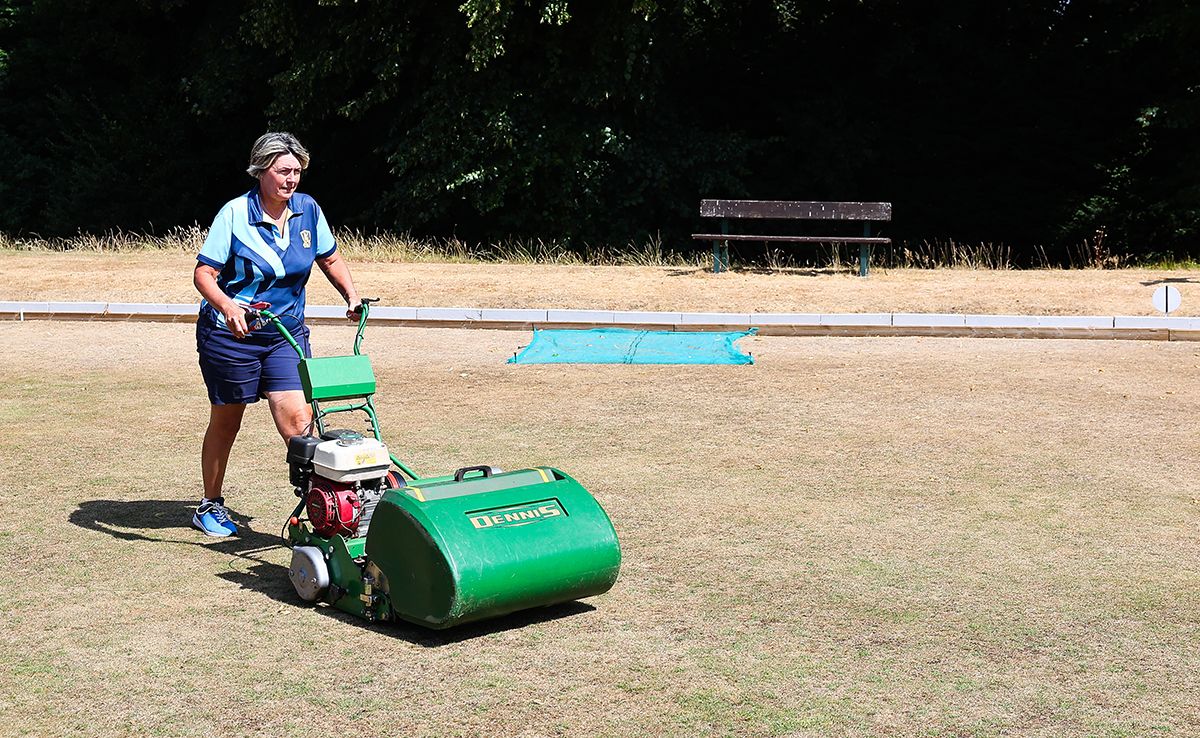
Dennis FT Range Helps Keep a Century of Bowling History Alive
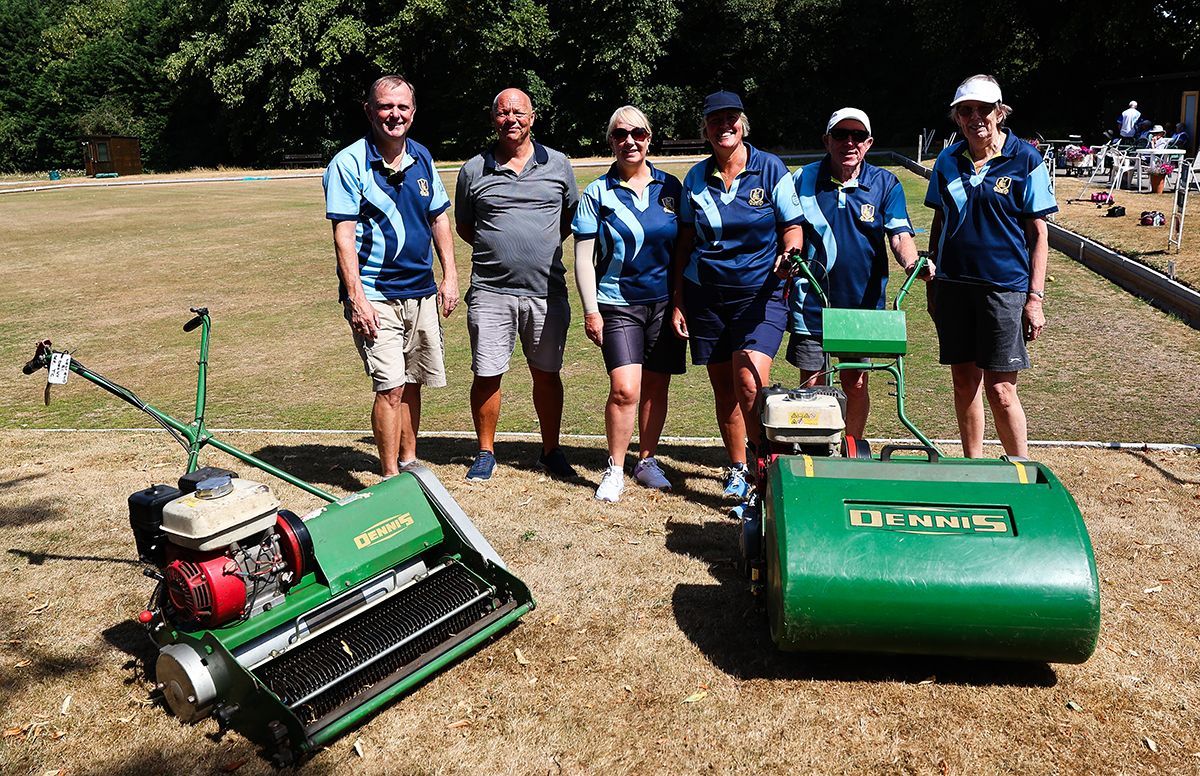
For more than 100 years, Derby West End bowling club has been a part of Derby’s sporting heritage. Today, as the only flat green bowling club left in Derby itself and one of only a small number remaining in Derbyshire, preserving that legacy has never been more important.
For Bernard “Bernie” Greenough, the club’s Secretary and the man who has increasingly taken responsibility for the management of its greens, that responsibility is something he takes very seriously.
“I wouldn’t say I’m a greenkeeper,” Bernie says modestly. “I’m learning very quickly as I go.”
Having been involved with the club for around 10 years, Bernie has seen plenty of change. From increasingly unpredictable weather to the everyday challenges of maintaining two bowling greens, every season brings something new.
But at the heart of it all is one simple fact.
Without the green, there is no club.
“The bowling green is the only asset the club has. If we don’t have a bowling green, we don’t have a club.”
Learning from experience
Bernie became more heavily involved in the maintenance of the greens around three years ago, following the departure of the club’s previous greenkeeper, John.
John brought with him a wealth of experience, having previously worked on cricket fields and cricket squares. Bernie worked alongside him, helping with mowing and verticutting while gradually learning the practical skills required to maintain a quality playing surface.
With two greens to look after, there was also an opportunity to learn hands-on.
“John used to let me look after the second green while he looked after the primary green,” Bernie explains. “That’s really how I got involved.”
When John moved back up north, Bernie stepped up and took over responsibility.
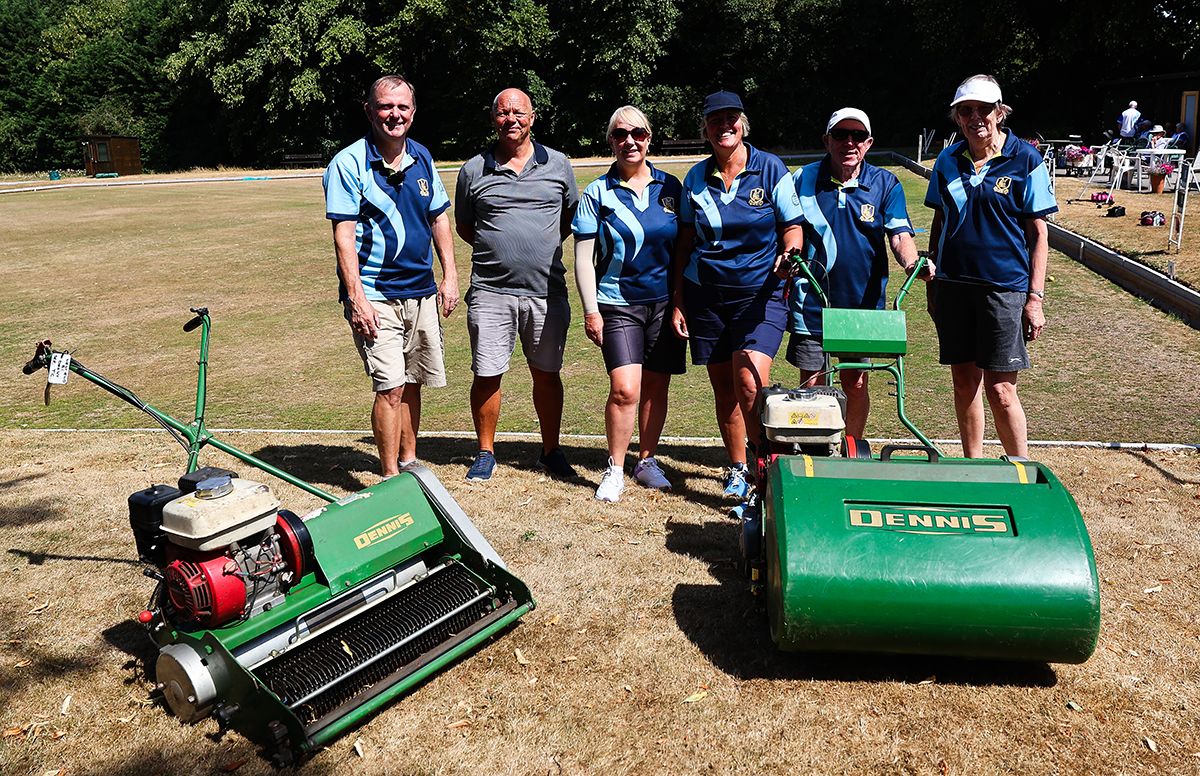
Since then, maintaining the greens has become a team effort. A dedicated core of four or five volunteers helps keep the club going, including Bernie’s wife, who lends a hand with mowing and other essential jobs.
“They’re key to looking after the green,” he says. “They’re key to the club.”
Built to last
When it comes to machinery, Bernie has inherited some serious longevity.
The Dennis machines were already part of the club when he first arrived more than a decade ago, and they have continued to prove their worth year after year.
“They’re bulletproof,” Bernie says. “They’re manufactured so sturdily.”
That durability is important when machinery is in regular use throughout the season. The greens are typically cut three or four times a week, depending on fixtures and activity, and reliability is essential.
“They start every time,” he says. “They’re incredibly reliable.”
The club’s older FT machine is believed to have been in service for at least 20 years before Bernie joined the club. That puts its age somewhere in the region of 30 to 35 years old – and it is still going strong.
Alongside it is a newer machine, acquired as an ex-demonstrator, giving the club two dependable units capable of carrying out multiple tasks.
The robustness of the machines has also proved useful on the occasional mishap.
“One of the biggest things that scares me is somebody mowing straight into the walls around the green,” Bernie laughs. “But on the odd occasion someone makes a mistake, they’re very durable and they cope with it.”
One machine, multiple jobs
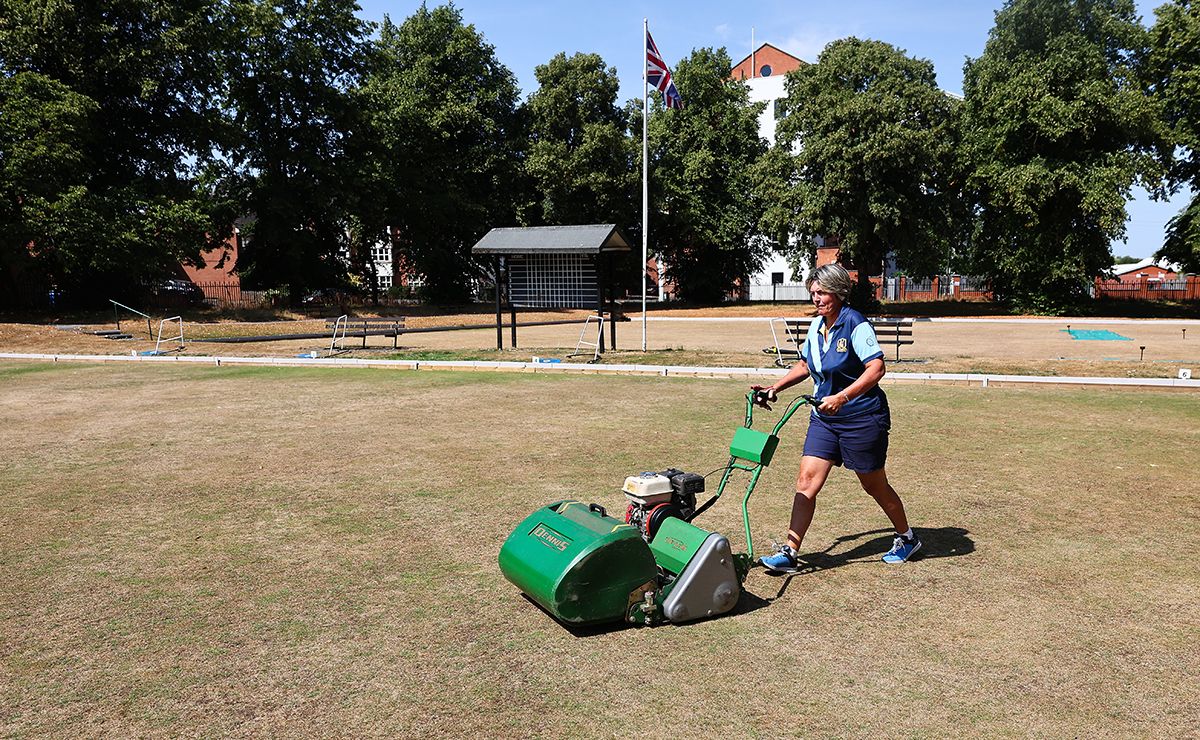
A major advantage for the club is the cassette system.
Rather than requiring a separate machine for every task, the interchangeable setup allows the equipment to be adapted quickly depending on what work needs to be carried out.
The two main cassettes used are the cutting cylinder and the verticutter.
That means both machines can be used to cut the club’s two greens simultaneously, or one can be set up for mowing while the other carries out verticutting.
“It’s time-saving and cost-saving,” Bernie explains. “You don’t have to have multiple machines to do different jobs.”
The older FT 510 is generally kept set up with the verticutter cassette and has become an invaluable part of the club’s maintenance programme.
“The engine is still going very, very well,” Bernie says. “It’s man enough to do whatever depth we feel we need to verticut.”
The importance of verticutting
For Bernie, verticutting plays a crucial role in maintaining healthy turf.
As grass grows and dies, organic material can build up around the base of the plant. Removing that dead material helps encourage fresh growth and maintain the quality of the playing surface.
Depending on weather conditions, the club aims to verticut the greens at least once or twice a month.
“The verticutter is invaluable,” Bernie says. “It encourages the new grass to grow and gets the dead grass out of the base.”
Maintaining the perfect cut
Both of the club’s main mowers are fitted with 10-blade cylinders.
At the start of the season, the greens are generally maintained at a cutting height of around 10mm. As the season progresses towards the end of March and beginning of April, that height is reduced to around 6mm.
The aim is to maintain the greens at that height throughout the main playing season, although exceptionally warm weather can require a slight adjustment.
“In very hot weather, we’ve increased it a little bit to give the grass more resilience,” Bernie explains.
The quality of cut is something he takes particular pride in.
“There’s something really satisfying about doing a new cut on a brand-new blade that’s just been sharpened,” he says.
However, experience has also taught him how to extend the life of the cutting cylinders through techniques such as backlapping.
By keeping the blades sharper for longer, the club can reduce maintenance costs and hopefully limit professional resharpening to around once a year.
For a volunteer-run club, every saving matters.
Designed with the operator in mind
While both machines have proved their reliability, Bernie says the newer model offers some significant improvements in operator comfort.
The more upright handle position allows the user to stand naturally rather than stooping while working. Shock absorbers in the handle also help reduce the vibration transferred from the engine.
“The whole design is really, really good,” Bernie says.
The club’s main machines are powered by Honda engines, and Bernie’s experience with them has been equally positive.
His philosophy is straightforward: look after them, and they will look after you.
Regular maintenance includes changing the oil and spark plugs and ensuring the air filter remains clean.
“There’s not much you can say apart from the fact they just keep going as long as you look after them,” he says. “I’ve never had a moment’s problem with either of them.”
Protecting the future
For Bernie and the volunteers who support him, greenkeeping is about far more than cutting grass.
It is about protecting a club with more than a century of history and ensuring that it remains part of Derby’s sporting community for generations to come.
Changing weather patterns continue to present new challenges, while the responsibility of maintaining two greens demands time, knowledge and dependable equipment.
But with a committed group of volunteers and machinery that has already stood the test of time, the club continues to move forward.
“I would really recommend the FT machines,” Bernie says. “They’re soundly constructed, reliable and, with the cassette system, you don’t need multiple machines to do different jobs. You can change the cassettes during the day and carry out different tasks.”
For a historic bowling club where the green is the heart of everything, that combination of durability, versatility and reliability is helping to keep more than just the grass in good condition.
It is helping to keep a 100-year-old sporting tradition alive.
Find out more about the Dennis FT range