A Complete Guide to SISIS Dart Tines: Choosing the Right Aeration Method Throughout the Year
Aeration is one of the most important maintenance practices for fine turf surfaces. Whether you're managing a bowling green, cricket square, tennis court, croquet lawn, golf green or ornamental turf area, regular aeration helps improve drainage, relieve compaction, encourage root growth and maintain a healthy, resilient playing surface.
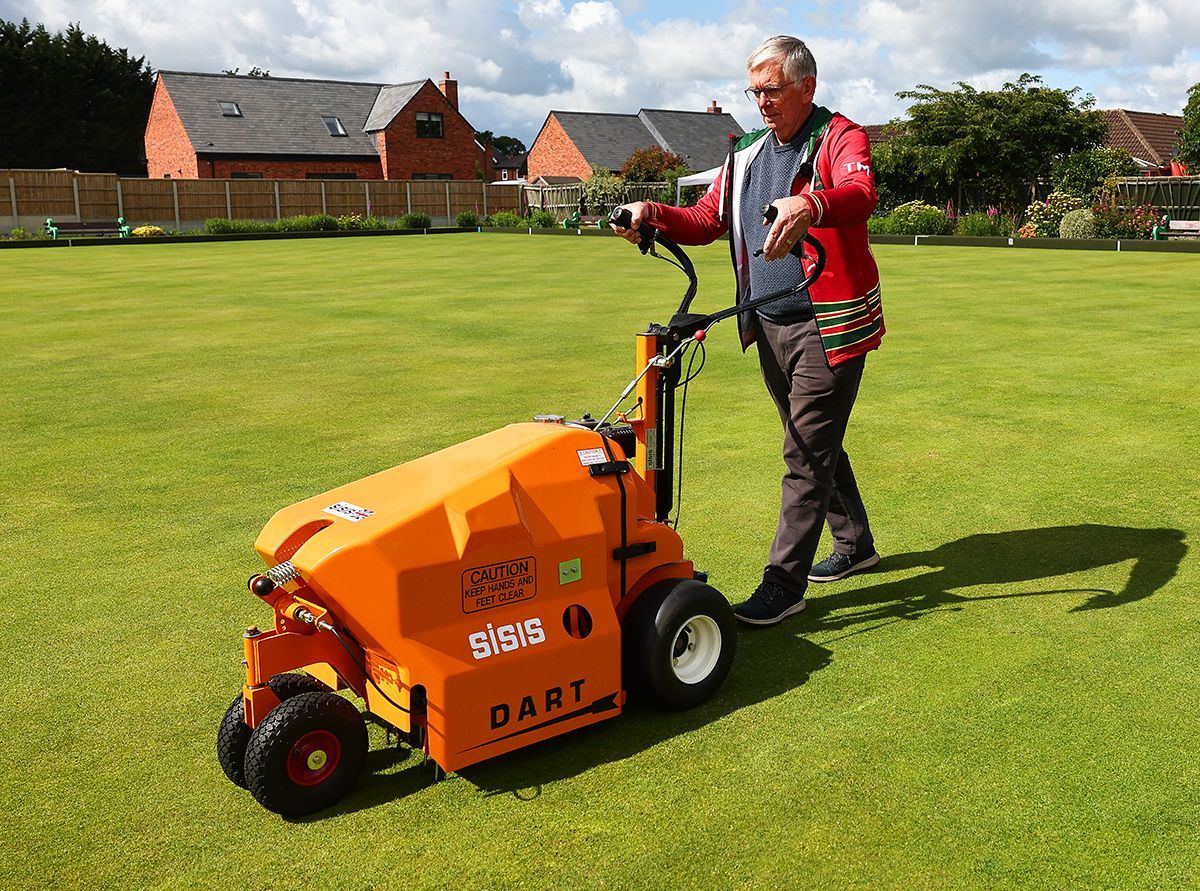
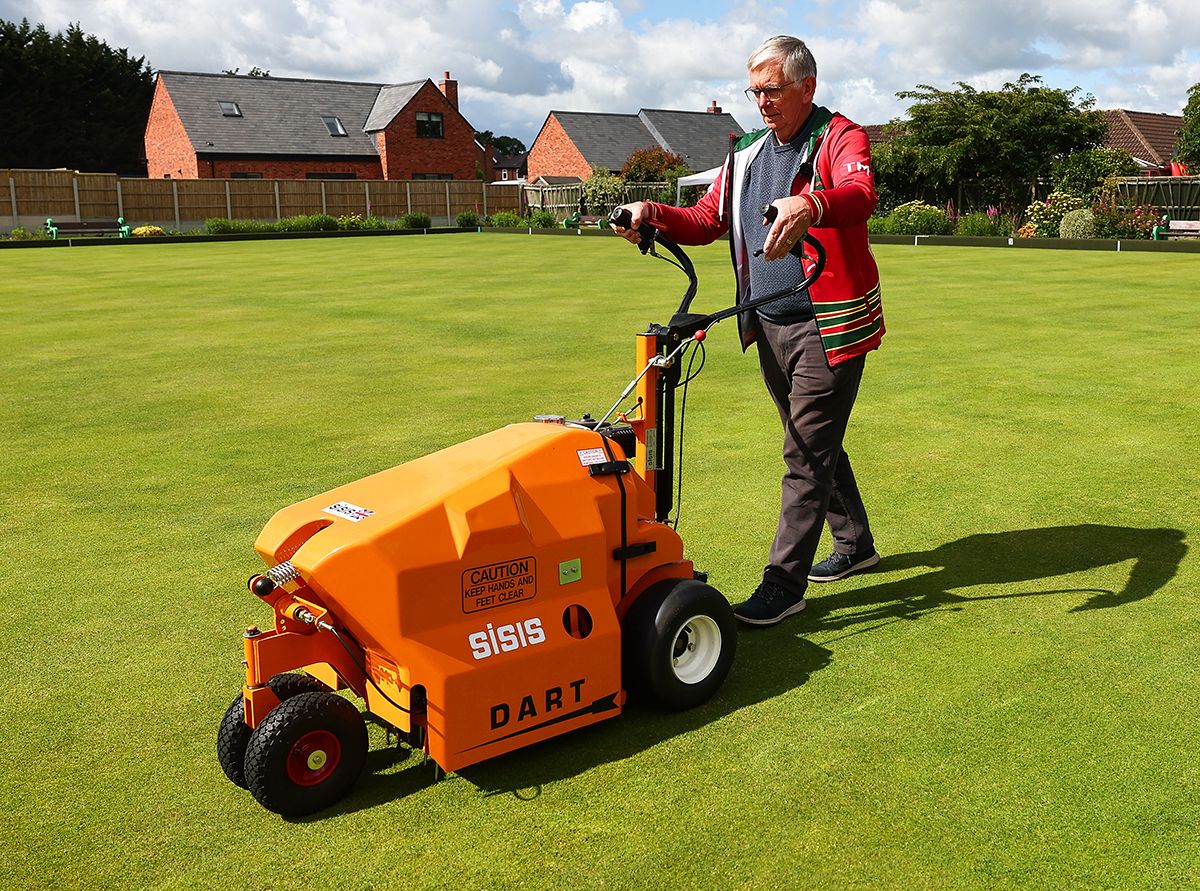
The SISIS Dart is a versatile pedestrian aerator designed specifically for fine turf and sports surfaces. With a maximum working depth of 100mm and a range of interchangeable tines, it allows grounds professionals to tailor their aeration programme to suit the season, turf condition and surface requirements.
This guide explains the different tine options available for the SISIS Dart, their benefits and the best times of year to use them.
Why Aeration Matters
Over time, turf surfaces become compacted through foot traffic, machinery use and natural weather conditions. Compaction restricts the movement of air, water and nutrients through the soil profile, leading to weaker root systems and poorer turf performance.
Regular aeration helps to:
-Relieve soil compaction
-Improve drainage
-Increase oxygen levels in the rootzone
-Encourage deeper root development
-Reduce thatch build-up
-Improve turf resilience and playing quality
By selecting the right tine at the right time of year, turf managers can maximise these benefits while minimising disruption to the playing surface.
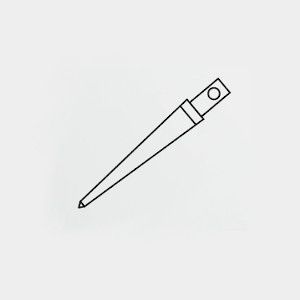
100mm Solid Tine
Maximum Depth: 100mm
External Diameter: 12.5mm
The 100mm Solid Tine is a popular all-round aeration option suitable for a wide range of fine turf applications. It creates larger, more open holes than a pencil tine, allowing improved movement of air and water through the soil profile.
Best Time to Use
January through to the start of the playing season
-Spring renovations
-Autumn renovations
-General maintenance throughout the year
Ideal Applications:
-Bowling greens
-Cricket squares
-Tennis courts
-Croquet lawns
-Sports outfields
Key Benefits
-Relieves compaction
-Improves drainage and oxygen exchange
-Encourages stronger root growth
-Creates more open aeration channels than pencil tines
-Suitable for regular aeration programmes
For many grounds professionals, the solid tine forms the backbone of their pre-season aeration programme.
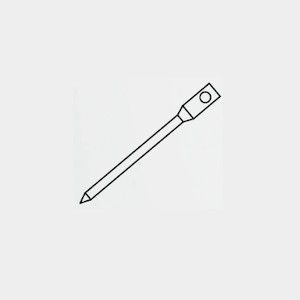
100mm Pencil Tine
Maximum Depth: 100mm
Diameter: 7mm
The Pencil Tine is designed specifically for use during the playing season. Its slim profile creates small, discreet holes that provide the benefits of aeration without significantly affecting surface presentation or playability.
Best Time to Use
-Throughout the playing season (minimal disturbance)
-During periods of regular play
Ideal Applications
-Bowling greens
-Cricket squares
-Tennis courts
-Golf greens
Other fine turf sports surfaces
Key Benefits
-Minimal surface disruption
-Maintains smooth playing conditions
-Improves airflow and water infiltration
-Encourages healthy root development
-Allows frequent aeration during active play
Pencil tining is ideal when turf health needs to be maintained without impacting the quality of the playing surface.
100mm Hollow Coring Tine/ Jumbo Hollow Coring Tine
Maximum Depth: 100mm
Available Diameters: 10mm and 16mm
Hollow coring tines physically remove small cores of soil from the turf profile, making them highly effective for reducing compaction and improving soil structure.
Best Time to Use
-Spring renovations
-Autumn renovations
Ideal Applications
-Bowling greens
-Cricket squares
-Golf greens
-Fine turf renovation programmes
Key Benefits
-Removes compacted soil
-Creates space for root development
-Improves air and water movement
-Enhances topdressing integration
-Supports healthier rootzone conditions
The 10mm option provides a finer finish, while the 16mm option delivers more aggressive compaction relief during major renovation work.
100mm Chisel Tine
Maximum Depth: 100mm
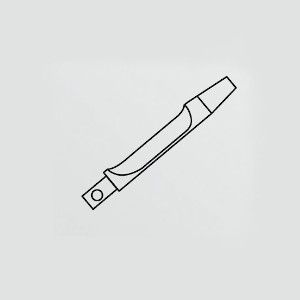
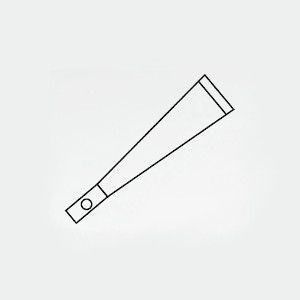
The Chisel Tine, often referred to as a winter slitting tine, creates narrow slits rather than traditional holes. These slits produce a large wall area within the soil profile, stimulating root development and improving the movement of water, oxygen and nutrients.
Best Time to Use
-Late September through to early January
-Winter aeration programmes
Ideal Applications
-Bowling greens
-Cricket squares
-Fine turf sports surfaces
-Areas prone to winter wetness
Key Benefits
-Encourages deeper rooting
-Prunes roots to stimulate new growth
-Improves winter drainage
-Enhances oxygen movement into the rootzone
-Supports turf health during colder months
Chisel tines are particularly effective during autumn and winter when maintaining drainage and root activity is critical.
Why Choose the SISIS Dart?
The SISIS Dart provides professional-quality aeration in a compact, easy-to-use machine. Its clean vertical action ensures effective penetration and withdrawal with minimal surface disturbance, making it suitable for both renovation work and routine maintenance.
Key features include:
-Maximum working depth of 100mm
-Wide range of interchangeable tines
-Clean vertical penetration and withdrawal
-Minimal surface disturbance
-Easy-to-use controls
-Simple depth adjustment
-Excellent manoeuvrability
-Low-maintenance design
-Reliable Honda engine
No single aeration method suits every situation. The key to successful turf management is selecting the right tine for the season, surface condition and maintenance objective.
From the gentle in-season aeration provided by the Pencil Tine to the intensive renovation capabilities of the Jumbo Coring Tine, the SISIS Dart offers a complete aeration solution for grounds professionals and turf managers. By implementing a planned year-round aeration programme, you can improve drainage, encourage stronger roots and maintain healthier, more resilient playing surfaces throughout the year.